

Table of Contents
Toggle A picturesque view of wind turbines in the ocean, symbolizing renewable energy.
1. Introduction
With the world moving towards green energy, wind power has become a major adversary in the battle against climate change. But what many want to know is whether wind can now or soon be reasonably cost-competitive, at a national level, with conventional fossil-gas electricity generation?
Wind energy is obviously better for the environment, however its economic comparison relies on many factors like government subsidies, innovation, and location. Wind energy refers to the energy generated when wind power, which is the way in which kinetic energy where wind converts into electricity using wind turbines. This method becomes increasingly efficient and is a clean, sustainable solution.
Wind energy is quickly becoming a viable alternative to fossil fuels over the last few decades. Investing heavily in wind infrastructure, Denmark, Germany, the United States and other nations seek to reduce dependence on coal, oil and natural gas. So where does wind energy come in as a competitor to these traditional sources of energy when it comes to economic value?
2. Understanding the Costs of Wind Energy
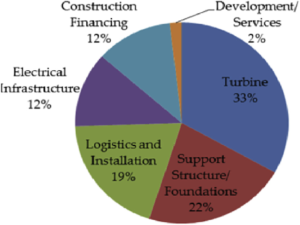
Wind energy includes several levels of cost, including capital costs from the construction of wind farms, and more ongoing maintenance and operational expenses. Wind energy has fallen in cost over the last few years, primarily driven by improvements in turbine efficiencies, economies of scale and other technologies.
However, notwithstanding those advances, the up-front cost to implement a wind farm remains exorbitant. But wind technology continues to advance, and the cost of a megawatt of wind power is becoming cheaper and more competitive with fossil fuel products. And it turns out, at least for now, this is much cheaper than other forms of renewable energy like solar in terms of land and space required to make such energy.
3. Comparing Wind Energy Costs to Fossil Fuels
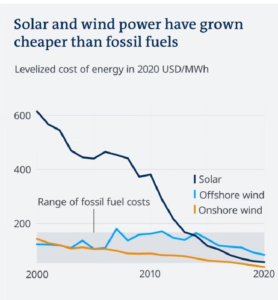
The costs of wind energy and fossil fuels, when compared, require accounting for both direct and indirect costs. In the case of fossil fuels, the direct costs are extraction, transportation, and conversion to electricity. In addition, the environmental costs including carbon emissions, pollution, and long-term climate change effects need to be accounted for.
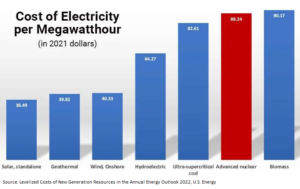
To illustrate, there are nearly zero operating costs for wind once the wind farm is up and running. At the peak of its expense, in order to build wind turbines, make land available and connect to a grid.
Furthermore, the ongoing maintenance and site rental cost tends to be lower than ongoing costs involved with maintaining fossil fuel plants that require constant input of fuel (which even today is expensive) along with equally expensive pollution control equipment.
While the prices of fossil fuels can fluctuate wildly, wind energy costs are substantially more stable making them ideal for long-term energy planning.
4. Government Subsidies and Incentives
Government backing is an important driver of the economic competitiveness of wind energy. Many governments provide different kinds of subsidies, including tax incentives as well as cash and financial policy incentives in order to grow renewable power resources. For example, the U.S. government grants its PTC; whereby financial support is provided to wind energy projects depending on volumes of electricity produced.
Feed-in tariffs have been set in Europe by nations, such as Germany and Spain, to ensure a fixed price is paid for the electricity produced by wind energy providers. These schemes help alleviate the financial risk in wind energy projects making it even more attractive to developers.
1. Technological Advancements in Wind Energy
Overall, technology plays the biggest role in the discounted price of wind power. Turbine design, for example has vis a vis better blades and more steady generators; this ensures higher output of electricity from 1 wind turbine. Improvements in materials and manufacturing processes have aided in low-cost turbine creation and installation.
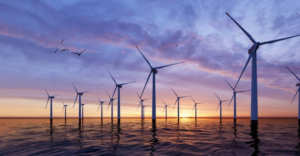
The economic opportunity for wind energy is also complemented by the deployment of offshore wind farms, which attest to harnessing authority from currents over higher and more stable than onshore installations. These are effectively prohibitively expensive to build (or should be) but they are increasingly presented as a sensible answer to massive demands in the turn of energy consumption.
5. Cost of Wind Energy: The Impact of Location
Wind can also be more cost-effective in many regions depending on the location. Because wind resources are not evenly distributed geographically, on average the price of wind energy is lower in places with consistently strong windflows.
Because wind farms can generate higher power output under highly favorable wind conditions, they benefit from lower cost per kilowatt as a result. In areas with weak or variable winds, where enhancements to other infrastructure could remedy the situation (including the parallel employment of wind and solar or battery storage), such a hybrid system would need to happen.
1. Grid Integration and Infrastructure Costs

The major research gap in this area falls within the integration of wind energy in to the current electric grid as poorer areas may suffer from poor grid infrastructure. Wind power is variable by nature, so its output must be scheduled appropriately along with other sources of energy to prevent blackouts or grid failures.
Constructing new transmission lines and more energy storage technologies would take huge investments. But the refunds are regarded by many as a key investment in moving towards renewable energy over time. With the advancement of technology, its entry cost is going to be cheaper and wind energy is going to become more economically profitable.
2. Prospective long-term economic benefits of wind energy
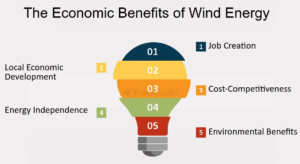
Although developing wind infrastructure requires substantial initial capital, the long-term economic payback is significant. Unlike fossil fuels whose prices fluctuate with worldwide market movements, wind farms offer stable and predictable energy prices year-on-year. Wind energy also has low operating costs, from the time a wind farm is established it can produce electricity for one twentieth of the price than other traditional power plants. The sustained reduction in the cost of production of energy, and with actual carbon emissions savings, proves wind energy a wise investment for governments and commercial enterprises alike.
3. Environmental Impacts and Cost Considerations
Compounding those economic benefits, many fossil fuels have associated environmental costs. The carbon emissions from coal, oil and natural gas use are not only industrial pollutants but also potentially have major impacts on climate change from the environmental and economic perspectives.
Conversely, wind energy does not produce any direct emissions and has low ecological damage either (2), so it is much more sustainable than fossil fuels whilst also being a relatively cheap solution in the long term.
6. The Future of Wind Energy in the International Market
In the long-run, wind energy will be a major force in the world power market. Wind energy is becoming increasingly competitive with that of fossil fuel-based power thanks to ongoing technological advancement, reduced costs and higher government support for wind energy.
As there is an ongoing drive toward clean energy around the world, wind power should continue its fast growth in order to reduce either economic or environmental costs of traditional energy sources.
1. Economic Viability of Wind Energy
That is, one must analyse whether wind energy is economic in two-time spans — short-term and long-term. Wind energy does require significant upfront investments, particularly in wind farms and other necessary electrical grid infrastructure, but those investments quickly pay for themselves through low operating costs. Wind farms do not require a stable fuel supply as other power-generating plants operating on fossil fuel do, thus incur lower ongoing expenditure and can better withstand prices of energy fluctuating.
Likewise, advantageous government policies are equally useful for many countries in the wind power industry. In addition to financial incentives, such as tax credits and subsidies mentioned above, governments also provide a channel for partially offsetting the expensive capital expenditures that make it attractive to investors. Incentives like these take time to pay off in ROI.
2. Grid Integration and Storage Solutions
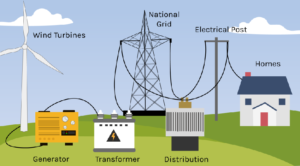
Its chief issue? Winds come and go: energy supply is unpredictable when winds change. Thus, power grids must be capable of capturing energy when it is available and delivering it at times of peak demand. To address these challenges, we need to develop options for large-scale power storagesuch as batteriesand improvemnts in grid technologies The wind power also depends on the already available grid which is different in country to country.
Elsewhere, much of the investment in needed transmission lines to connect those wind farms with centres of high electricity demand in populous areas or industrial centres. IT IS heavy infrastructure investment but that is one of the costs in this long-term energy mix transition.
3. Job Creation and Economic Growth
This preservation of land leads to another key component in the economic potential of wind energy: the job creation it entails. Wind energy in all its forms needs a range of skills for wind energy projects, whether that be engineers or turbine makers or100 construction teams. The company also plans to create thousands of jobs internationally, drawing from local talent and helping grow local economies also providing skills in green technology.
Wind energy development additionally helps the regional economic climate, particularly in rural areas where wind ranches are usually located. Wind farms are also a benefit in these areas, where income from property taxes, land leasing and job creation may all accrue. Also, because of they are steady and longer duration inflow of economic activity for neighboring areas relative to some of the traditional industries that may be more sensitive than others to economic shocks or fluctuations in global commodity prices.
4. The Role of Technological Innovation
The importance of technological innovation in the sustained success of wind energy cannot be overstated. Over the past decade, turbine designs have advanced significantly in regards to efficiency, which allows them to capture energy even in lower class winds. High in offshore wind farms, Point No. 5 above which for there being stronger and more stable wind stores variety of area which can revolutionise the industry mentioned but much more capital expensive to develop.
Other breakthroughs like floating wind turbines and AI/grid management will radically decrease costs and improve functionality for wind power. These technologies will support ensuring wind energy is not only an option but a driving force in the global energy market.
5. Sustainability and Environmental Considerations
Wind energy is much cleaner from the perspective of pollution and no greenhouse gasses are produced in electricity generation making it an attractive environmental option as well. It helps to create a cleaner, healthier environment and contributes towards national and worldwide targets for reducing carbon emissions and tackling climate change.
Wind power has a small environmental footprint but it is not completely issue-free. While the production and disposal of some forms of wind turbine parts, like blades, can create a serious environmental issue here too, emerging research into recycling methods and materials science is quickly working to ameliorate such issues. Lastly, wind farms need to be built cautiously so that they do not disturb the species and ecosystems in their proximity
However, in spite of these challenges, it is still one of the most clean and sustainable forms of power available today. It is because of this that wind power plays an important role in decarbonizing the global energy system as technological advances and government intent to meet emission reduction commitments facilitate a large-scale transition towards renewable resources.
7. Future Prospects of Wind Energy
In summary, it has a upward trend in increasing with regards to wind power production as long as more of the world joins most nations on making even greater commitments toward renewables which then will only further encourage more capital into wind development. Even wind energy (cost) itself would then drop, making more regions and countries that are relied upon fossil fuels even more dominant in a competitive- and investment context.
Moreover, increased focus on energy independence in the backdrop of geopolitical tensions coupled with volatility in global crude prices has been motivating nations to diversify their energy sources. Wind energy as any other renewable energy resource such as solar and hydroelectric electricity is a reliable sustainable replacement alternative for reduction in dependence on foreign oil and gas.
The ongoing technological advances in energy storage and smart grid systems we further promote wind energy reliable and affordable on the way to greater / deposition. Given the global need to develop clean sources of energy, it is almost certain that wind power will take an ever-increasing role in the future of the global energy sector.
8. Final Thoughts
Wind energy may have taken a hit economically in previous years; however, the future of wind power could be promising. Wind energy is now becoming a realistic and economical option to fossil fuels on the back of advances in technology, falling costs, government stimulus and rising demand for green energy. And this is where wind power really shines compared to all other renewables. — not only for its benefits to the environment but also for the economic incentive.
By continued forced investment and innovation, wind energy would likely turn into among the foremost fundamental cornerstones in playing out a least-cost and eco-friendly future energy portfolio where fossil energy use is gradually diminished (along these lines abating environmental change through occupation potential open doors and specialized contributions).
Conclusion
Wind energy economics are fastest changing of all. Wind strength has to compete with fossil fuels although technical enhancements are continuously improving efficiency at lower cost. At first glance, wind infrastructure may seem prohibitively expensive, however; the long-term benefits that are both economic and environmental make wind a worthwhile investment.
Wind energy is one effective, clean, renewable alternative that provides a reliable way to reduce the global dependence on polluting fossil fuels while positively impacting economic growth and climate stabilisation. Given steady government support and further technological developments, wind power may end up being central to determining the trajectory of global energy.
FAQs
What are the major costs of wind energy?
Wind energy has a high capital cost for infrastructure but low operational costs once the farm is in place. The major expenses are turbine installation, land leasing (if any), and maintenance.
Is wind energy cheaper than fossil fuels?
Especially if we look at long term operational savings and the damage fossil fuels are causing to our environment, wind energy becomes very competitive compared to fossil fuels.
Any Government Incentives For Wind Energ?
Although governments offer tax credits such as the U.S Production Tax Credit (PTC), feed-in tariffs, and subsidies to promote wind energy projects.
Are there environmental benefits from wind energy?
Yes, wind energy (along with such renewable power plants) emits no other emissions into soil and water either, minimizing the effect compared to fossil fuels.
How does technology influence wind energy price?
Owing to advances in turbine efficiency and offshore wind, wind energy production has dropped dramatically in price from above USD 90/MWh (2015 level) to just below USD 40/MWh (2020).
Are there places where it would not make economic sense to use wind power?
Wind energy is limited by geography as well as the consistency of wind strength. Certain areas will need further infrastructure to actually harness the wind power, too. In addition, wind energy provides substantial long-term advantages. Wind energy is also an economic and environmental win with lower, more stable long term energy pricing over time and a reduced carbon footprint.
What is the challenge for wind energy in terms of grid job?
Because wind is intermittent, major investments in grid management to balance demand and supply are needed (for possible energy storage or transmission infrastructure).
Will fossil fuels run out into a wind energy replacement?
Wind energy has a key role in the energy transition to clean energy, but we will likely need various renewables and storage mix to consolidate clean energy replacing fossil fuels.
What does the future hold in terms of wind power?
Wind energy is also set for rapid growth and a potential major role in the global energy market as costs continue to fall, technology advances, and growing government support.