

A. Introduction:
Water is essential for life on earth, so it makes a bigger case to prioritize water conservation in the face of increasing water scarcity as the population of the globe expands. Water Conservation Principle Save Water:It is very important to save water for succeeding generations, so let’s analyze what is the more practical way people and societies can reduce water waste and assure a replenishable supply of fresh water? Water is linked to nearly all Sustainable Development Goals (SDGs) with consequences for any area of development. Its use is critical and fundamental to life itself, long-term economic development and quality ecosystems.
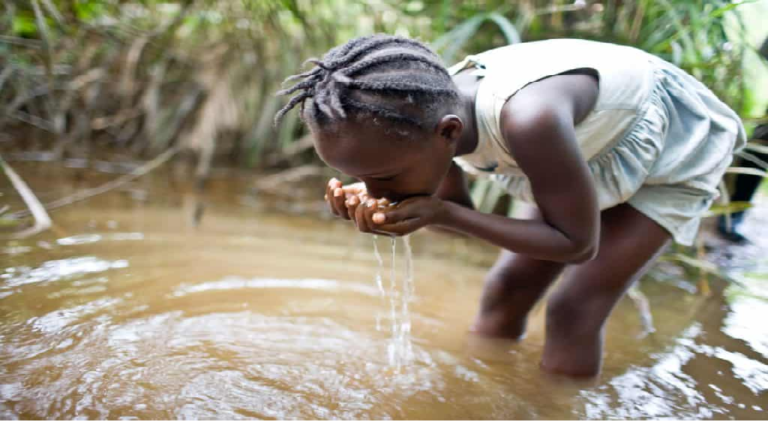
This affliction is not limited to just one part of the world, as somewhere around 2 billion individuals worldwide do not have securely managed drinking water frameworks, 3.6 billion need sufficiently dealt with sanitation systems, and 2.3 billion lack essential handwashing facilities. The global and regional scale, the contributory factors to water scarcity, including gaps in access to water supply and sanitation with growing populations, more water-intensive patterns of expansion for population; increasing variability in rainfall; pollution are converging in many places to make water one of the most important threats to economic growth, poverty eradication and sustainable development.
B. Water economy for a future sustainable development
Day by day the advantages of saving water is turning into exceptionally clear. Saving water is not only about lowering costs or conserving a resource that society needs today, but also for preserving the future of generations to come.
What is water conservation?
Water conservation is the prudent use of water in order to reduce waste and protect our most vital, limited natural resource. It is a task of organizing and utilizing water resources in a way that limits utilization and prevents contamination. With the world population expected to keep on increasing, and water being a limited resource, the need for fresh water is constantly growing. Water conservation is even more important in dry climatic zones where water scarcity is a genuine matter of concern.
The economics of water conservation
Saving water is good for the environment and also means saving money. Because of limited fresh water and demand for new treatment, the cost of extracting, treating, and distributing water rises. Improving water conservation will help reduce the demand for water and thereby reduce costs of extracting, treating, and distributing this valuable resource.
Water conservation can create favourable economic benefits for industries that depend heavily on water supply such as agriculture and tourism. Farmers can reduce water waste and expenses, increasing their resilience to droughts by utilizing efficient irrigation practices, recycling wastewater, and reducing water consumption. Likewise, sustaining organic drinking water exclusive assessments and ecosystems like lakes, rivers, and wetlands could assist the tourism marketplace making profits and employment alternatives too.
Furthermore, the shortage of water can bring about conflicts and disputes over water resources that can have significant economic and social ramifications. We reduce conflicts and increase cooperation, providing water to more people and companies with a very sustainable, stable supply of water – just by pouring less into sewers.
The importance of water conservation
Water is the most critical element for life, and necessary to support ecosystems for agriculture, industry and well being of all living species. It indeed becomes increasingly vital to keep conserving water. Here are the reasons why:
Protecting ecosystems
Water conservation is crucial for preserving ecosystems and biodiversity. Conserving water helps sustain healthy ecosystems and conserve wildlife.
Ensuring food security
Water-conservation strategies allow farmers produce more food with less water, maintaining food security.
Saving money
Conserving water leads to cost savings for persons and businesses. By reducing water consumption, households save money on their water bills, while industries can reduce their operational costs and enhance efficiency.
Reducing energy consumption
Pumping, purifying, and transporting water uses a tremendous amount of energy. Conserving water can help reduce energy use and associated carbon emissions.
Goals of saving water and the future
The aims of saving water are numerous. They include lowering water waste, encouraging sustainable water-use practices, safeguarding and restoring water ecosystems, and assuring equal access to water for all communities. By reaching these goals, we may help mitigate the impacts of environmental instability, boost biodiversity, and safeguard our water supplies for future generations.
C. The importance of water
Water is definitely one of the most vital resources on earth—and also one of the most limited. With the growing population and slowly changing climatic conditions, droughts and water scarcity are becoming more prominent in specific areas of the world; it is now essential to understand how precious this particular resource is, as well as taking steps towards reserving and guarding it.
1.The role of ecosystem
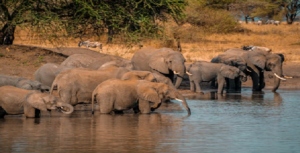
Water, in ecosystems, serves the purpose of providing habitats for aquatic organisms. One quarter of all fish, amphibians and aquatic plants in the world are found in rivers, lakes and oceans. Different animals use the water as their habitat, and changes in the water quality or quantity can have extreme effects on their well-being.
2. Importance of water to human life
Water is important for our survival. Our bodies are made up of around 60% water, and we need to refill this quantity daily. It is necessary for various bodily functions, including maintaining body temperature, transporting nutrients, and cleaning away waste. It is also vital for agriculture and food production. Water is crucial for plant growth, and crops need a continual and consistent water supply to survive.
D. Water scarcity
1. What is water scarcity?
Water shortage is a condition where the available freshwater resources are insufficient to meet the needs of the people, notably for drinking, sanitation, agriculture, and industrial operations. The word also covers the absence of access to safe and clean water owing to natural or human-made reasons.
2. Causes of water scarcity
There are various causes of water scarcity, including:
Population growth
The world’s population is rising at an alarming rate, contributing to a great strain on water supplies. The rising population puts demand on the limited water resources, resulting to water shortage.
Overuse of water resources
The exploitation of water resources, particularly for agricultural and industrial interests, leads to the depletion of freshwater resources, contributing to water scarcity.
Urbanisation
Rapid urbanisation leads to increased water demand, putting pressure on available water supply and ultimately to water shortages
E. Effects of water scarcity on the environment and humanity
1. Effects of water scarcity on the environment Ecosystems
Water scarcity can have serious effects on ecosystems, including the deterioration of wetlands and other freshwater habitats.
2. Deforestation
Water scarcity can lead to deforestation as communities destroy trees to make space for agriculture and animal production, resulting to habitat loss for several species.
3. Effects of water scarcity on humans Health
Water scarcity can lead to waterborne diseases, including cholera, typhoid, and diarrhea, which can severely harm human health.
4. Food insecurity
Water scarcity can lead to reduced crop yields, leading to food poverty and malnutrition, harming the health and wellbeing of humans.
F. Regions confronting water scarcity
1. Middle East and North Africa (MENA): The MENA region is one of the most water-stressed regions globally. The region’s significant population expansion and weak water-management methods have contributed to water scarcity.
2. South Asia: Millions of people in South Asia lack access to safe and clean water. The region’s significant population development, over-extraction of groundwater, and poor irrigation systems have contributed to water scarcity.
3. Western United States: The Western United States, especially California, Nevada, and Arizona, is confronting significant water scarcity, with persistent droughts and abuse of water resources.
G. Strategies for water conservation
Strategies for water conservation can take many forms, including effective water use in agriculture, lowering domestic water usage, and water reuse and recycling practices.
1. Efficient water use in agriculture
Use drip irrigation systems: Drip irrigation systems feed water directly to the plant roots, decreasing water wastage through evaporation and runoff. This irrigation technology is particularly useful for crops such as fruits and vegetables that demand precise amounts of water.
2. Use drought-tolerant crops:
Drought-tolerant crops are those that can survive in low-water situations. By planting these types of crops, farmers can lower their water use without jeopardizing their yields.
.png?width=1200&height=800&name=Saving%20Water%20and%20the%20Future%20(3).png "A person plucking a hydrophone Lettuce in a farm") Lettuce is grown in a hydroponic system.
Lettuce is grown in a hydroponic system.
3. Reducing domestic water use
By conserving water, you contribute to protecting our planet’s important resources. Here are practical strategies for minimizing residential water use:
4. Fix leaks:
Even little leaks in pipes and faucets can waste a lot of water over time. Regularly check for leaks and fix them promptly to prevent unnecessary water loss.
5. Reduce shower time:
Shortening your shower time by a few minutes will save a large amount of water. Consider using a shower timer or playing music to help you keep track of time.
6. Water recycling and reuse
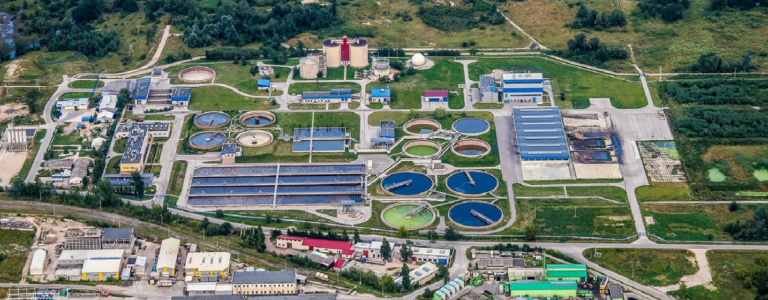
Water recycling and reuse is the process of using cleaned wastewater for applications other than drinking, such as irrigation or industrial activities. Here are some benefits of water recycling and reuse:
7. Cost savings: Recycling and reusing water can greatly cut water and wastewater treatment costs. By reusing treated wastewater, we can avoid the cost of treating it to drinking-water standards.
8. Reduced wastewater discharge: By limiting the quantity of wastewater discharge into our rivers, we lessen the environmental impact of wastewater treatment plants.
9. Rainwater harvesting
This old approach is gaining favor around the world as a means to preserve water and minimize dependence on freshwater supplies. Here are the benefits of rainwater harvesting:
10. Conservation of freshwater resources: By collecting rainwater, we may minimize our dependence on freshwater resources. This, in turn, helps to conserve these resources for future generations.
11. Improved water quality: Rainwater is naturally soft and free from contaminants, making it a great supply of water for agriculture or applications other than drinking.
H. Technology and inventions for water conservation
1. Drip irrigation
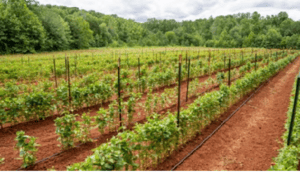
This technology has become increasingly popular in recent years as a means of conserving water. Here are the benefits of drip irrigation:
Water conservation: Drip irrigation feeds water straight to the roots of plants, decreasing water loss due to evaporation or runoff. This results in up to 60% water savings compared to standard watering systems.
Enhanced crop yields: By supplying water directly to the roots of plants, drip irrigation ensures that plants receive the necessary amount of water for optimal growth and yield.
Low-flow faucets and showerheads: These devices limit the flow rate of water, while still supplying a suitable volume of water for everyday use. Here are some benefits of low-flow faucets and showerheads:
Cost savings: By reducing water usage, low-flow faucets and showerheads can cut water bills and provide cost savings for homeowners and businesses.
Improved energy efficiency: reduced water usage also equals reduced energy consumption, as less energy is needed to heat the water used for showers and faucets.
2. Dual-flush toilets
These toilets include two flush options—one for liquid waste and one for solid waste—allowing customers to choose the proper amount of water for each flush. Here are some perks of dual-flush toilets:
Improved environmental impact: By conserving water, dual-flush toilets minimize the burden on water resources and energy consumption related with water treatment and transportation.
straightforward to install: Dual-flush toilets are straightforward to install and may be retrofitted to existing toilets, making them a practical and cost-effective choice for water saving.
3. Greywater systems:
Greywater systems are innovative technology that enable for the reuse of domestic wastewater for uses other than drinking, such as irrigation or toilet flushing. Here are some benefits of greywater systems:
Enhanced soil quality:Greywater includes nutrients that can benefit plants and soil, resulting in enhanced soil quality and plant growth.
Health benefits:By diverting wastewater away from the sewage system and into a greywater system, homes can lessen the risk of sewage backups and the potential for exposure to harmful microorganis
.png?width=1200&height=800&name=Saving%20Water%20and%20the%20Future%20(5).png "Green fields ripening in the spring season, agricultural landscape.")
4. Smart irrigation systems
Smart irrigation systems use sensors and weather data to adjust watering schedules for plants and landscapes. Here are the benefits of smart irrigation systems:
User-friendly: Smart irrigation systems are user-friendly, with smartphone apps and remote controllers allowing for easy scheduling and monitoring.
Improved plant health: By optimising watering schedules based on meteorological data and plant needs, smart irrigation systems can boost plant health and growth.
I. Policy and advocacy for water conservation
Water conservation campaigns are carried out through policy and advocacy, urging individuals and organisations to take action. To illustrate how legislation and activism have stepped up to promote water conservation, we describe them below.
Water conservation laws and regulations
The CWA is one of the most well-known water conservation laws in America. This law was enacted in the 1972 with an effort to protect natural water sources throughout the country from pollution. It controls the discharge of pollutants into water bodies and establishes quality standards for surface waters.
Another prominent United States laws related to water conservation is the Water Conservation Act. Under this law, passed in 1991, states are now required to establish water conservation initiatives. This must include strategies that target water efficiency, reuse and demand management.
Another example is the European Union Water Framework Directive, which establishes a framework for water management across the European Union with measures to avoid water pollution, promote efficiency in water use and protect freshwater ecosystems.
Australia Water Act also provides a legislative basis or framework for the sustainable management of water resources and allocation of Australia water rights.
To advocates and projects that aim to conserve water
Below are some leading water conservation advocacy organizations and campaigns:
The Alliance for Water Efficiency:
The Alliance for Water Efficiency is a non-profit organization dedicated to the conservation of water in the United States and Canada. They provide awareness campaigns & technical assistance on water conservation.
The Water Footprint Network:
The Water Footprint Network is a non-profit organization that seeks to raise awareness of the water footprint in products and services. They partner with businesses, governments and consumers to promote water conservation.
The Nature Conservancy:
The Nature Conservancy works to protect the environment, especially with water both quantity and quality in mind, promoting sustainable use of water.
American Water Works Association:
The American Water Works Association teaches water professionals and works to support the sustainable management of water resources.
J. Water conservation success stories
Icon for the Theory of InterventionSuccessful water conservation programs finds paths to fulfill our water needs and ensure that these resources are available to people in perpetuity. To rehearse a few instances of good water conservation (a positive advance)
Singapore’s water conservation efforts
Because of this, Singapore has been able to implement some history’s most innovative and accomplished water conservation initiatives. Let us take a look how Singapore can rights the Water Conservation:
NEWater: NEWater is Singapore’s project to recycle used water to produce a high-grade water supply. The microfiltration, Reverse Osmosis And Ultraviolet Disinfection Steps The produced water is also drinkable and more industrial-intensive use uses the produced water for agriculture.
Water Efficiency Management Plan (WEMP): The WEMP is Singapore’s Public Utilities Board’s (PUB) Water conservation plan for efficiency reduction of Water Usage in the industrial sector. Projects in the plan involve introduction of water-saving technologies and encouraging industrial users to develop water-saving habits
.png?width=1200&height=800&name=Saving%20Water%20and%20the%20Future%20(4).png "A dam in Singapore takes care of water conservation")
2. Israel’s water conservation efforts: Israel has become a world leader in water conservation efforts. Here are some of Israel’s water conservation efforts:
Desalination: Israel is a global leader in desalination technology, which includes transforming seawater into freshwater through a process called reverse osmosis.
Water recycling: Israel has adopted a water recycling scheme in which wastewater is treated and reused for agriculture, landscaping, and industry. This project has helped to minimize the country’s dependency on freshwater supplies.
3. California’s water conservation efforts: The state undertook several water conservation programs to ensure water conservation and protect the state’s natural resources. Here are some of California’s water conservation efforts:
The Water Conservation statute of 2009: This statute mandates urban water suppliers in California to create water conservation targets and execute water-use efficiency measures, such as water audits and leak detection programmes.
The California Urban Water saving Council: This council is a collaboration of urban water suppliers that work together to create and execute best practices for water saving. The council has established a set of water conservation standards that have been implemented by numerous water suppliers in the state.
K. Recap of the importance of water conservation
Water usage and availability are major issues impacting many places of the world. With growing populations and increased demands for water, many countries are confronting water scarcity and shortages. Changing environmental circumstances are compounding this problem by altering weather patterns and producing more frequent and severe droughts.
Water conservation is a significant technique for tackling this issue. By reducing water usage and implementing efficient water-management methods, we can help ensure water supplies are available for future generations. Water conservation activities might include actions such as correcting leaks, utilizing low-flow appliances, and constructing drought-resistant landscaping.
There are also many ways for saving water, such as gathering rainwater, employing greywater systems, and recycling wastewater. These measures can help minimize water usage and protect this vital resource for future generations.
L. Conclusion:
Saving even just a single drop of water at a time can have a huge impact on ensuring that there will be enough water for future generations. Individuals, companies, and governments hold the power to make a positive effect in water conservation efforts.
Citizens and stakeholders should strongly uphold their dedication to nature conservation and think that every action matters. By taking actions to save water, they can collectively contribute to a more sustainable future for the globe.
By originating high-quality carbon credits, we can help companies achieve a net-zero carbon footprint and develop projects that promote sustainable land and water use, reforestation, and other nature-based solutions that reduce carbon emissions, restore nature, replenish natural resources, and contribute to ensuring a healthier, more sustainable future.
M. FAQs:
What is water conservation?
Water conservation is the efficient use of water, reduction in the water wastage and the preserving as well as protecting of our fresh water resources for future generations.
Why is water conservation important?
You save water (the clean stuff you drink) and lessen the demand on rivers and aquifers; you help keep ecosystems intact, lower your water bill, promote long-term water sustainability and improve water security.
What are the major causes of Water Scarcity?
The other main factors is climate change, growth of population, rising water demand, pollution and over dependence on groundwater, low irrigation efficiency and bad water management.
How can households conserve water?
Some of the simpler methods such as repairing groundwater leaks, purchasing water-saving devices (which is eco-friendly), using dual-flush toilets to save extra water each time you flush, taking short showers and collecting rainwater for later use.
What is rainwater harvesting?
Rainwater harvesting is a strategy for draining and holding rain drop on ridges or various surfaces. It also lessens the burden on municipal water resources, and encourages groundwater replenishment.
How does drip irrigation conserve water?
It uses a drip irrigation method — water is delivered directly to plants, which minimizes evaporation and runoff. It helps farmers use less water to grow healthy crops by improving irrigation efficiency.
What is greywater reuse?
This programme refers to the so-called greywater reuse – treating the water released by people taking showers, from their sinks or washing machines in order to rehabilitate it for irrigation and toilet flushing.
Climate change impacts on water resources
Climate change changes rainfall patterns, increases evaporation and drought, and reduces the availability of water which makes saving water even more important as a practice.
Which country is now the global leader in saving water?
Singapore has a well-deserved reputation for its new and advanced approach to water conservation, including extensive recycling of wastewater, rainwater harvesting and in the last two years the introduction of smart water infrastructure along with very strong public awareness programs.
In what way does water conservation promote sustainable development?
It makes reliable water supplies available to people, agriculture, industries and ecosystems at scale contributing to SDG 6 – Clean Water and Sanitation while enhancing public health and promoting sustainable long-term economic growth.
What role do governments have in saving water?
Water policy is formulated by the government, water governance is improved, water infrastructure investment is made along with promotion of Integrated Water Resources Management (IWRM) practices and responsible public education on using water wisely.
What can each of you do daily to withhold water?
We all can Each tap turned off saves water away, repair leaky pipes without delay, use water wisely, make your appliance Water-efficient by following the wise choice, act smartly to maintain water etc are different methods practise the responsible way of using water supports local approx hence a month-less contribution towards conservation of valuable source.